
Hurricane Season Roof Prep for Bunnell and Palm Coast Homeowners
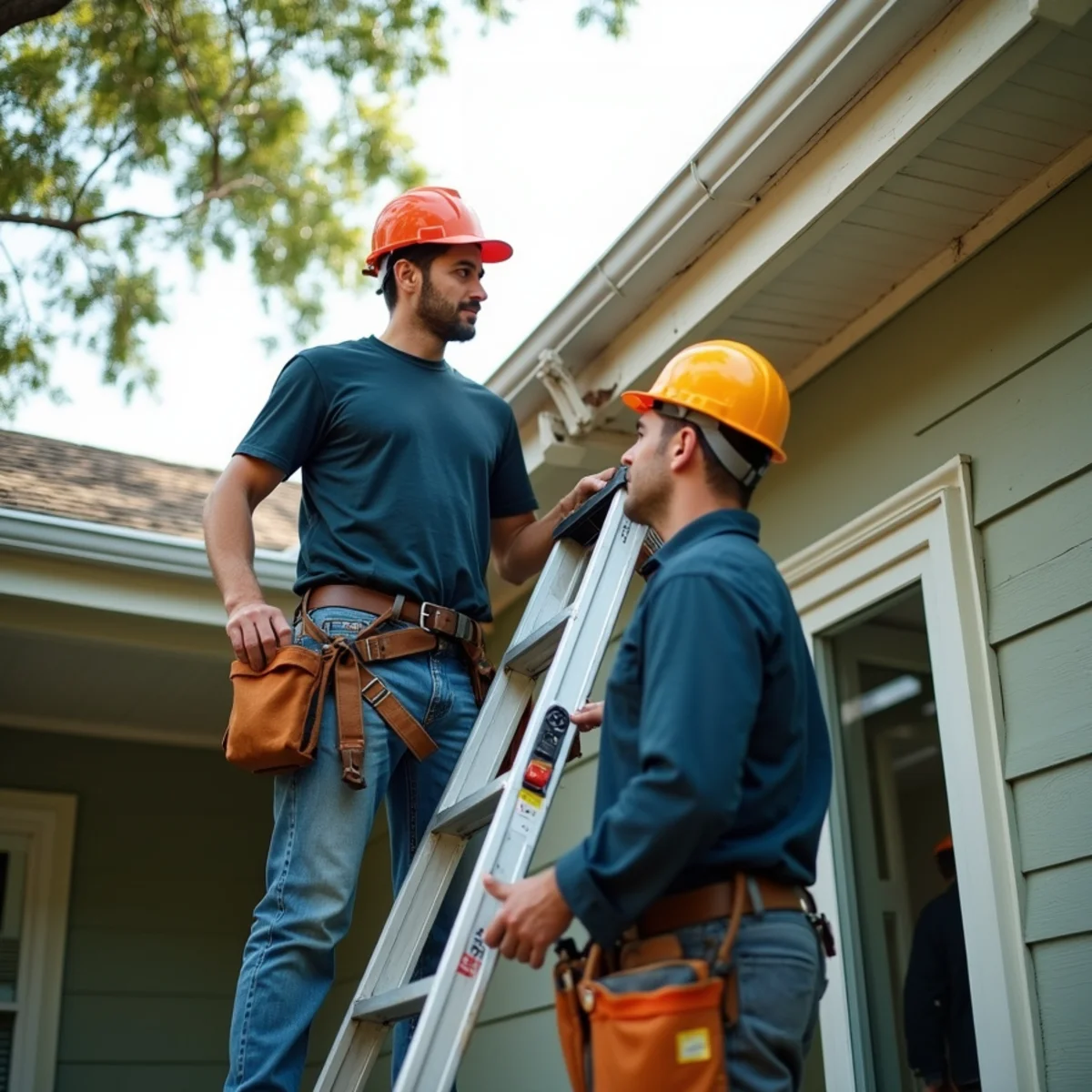
Preparing your roof for Florida hurricane season (June 1 – November 30) requires inspecting perimeter drip edges, sealing loose flashing boots with polyurethane mastic, cleaning valley debris, trimming overhanging live oak branches 10 feet back, and scheduling a certified wind mitigation inspection to verify roof-to-wall hurricane strap connections.
Key Takeaways for Florida Property Owners
- 1Hurricane season officially runs June 1 through November 30, with peak storm activity in August, September, and October.
- 2Tree branches within 10 feet of your roof act as battering rams during high tropical storm gusts.
- 3Clear valley debris and gutters to prevent stormwater damming and eave rot during multi-inch cloudbursts.
- 4Inspect roof penetrations, chimney flashing, and plumbing boots for cracked rubber collars.
- 5Ensure you have digital copies of your roof permit, warranty, and current insurance policy before storm arrival.
Why Pre-Season Preparation is Critical in Flagler County
Bunnell and Palm Coast receive approximately 51.91 inches of precipitation annually, with peak rainfall occurring between June and September. Combined with tropical depressions and Atlantic hurricane risks, waiting until a storm is named in the Caribbean is a dangerous gamble. Once a hurricane watch is declared, roofing materials sell out, contractors are overwhelmed, and safe rooftop access becomes impossible.
The Complete Pre-Hurricane Roof Checklist
1. Clean all gutters and downspouts: clogged gutters cause water to back up under drip edge and rot fascia. 2. Trim back overhanging tree branches: oak and pine limbs within 10 feet of your roof will whip against shingles during gale winds. 3. Check attic decking for daylight or old water stains: identifying leaks before 100 mph wind-driven rain hits is essential. 4. Verify plumbing vent boots: cracked rubber boots are the single most common leak source during storms. 5. Inspect soffit vents: ensure exterior soffit panels are securely fastened so hurricane winds don't blow them inward, pressurizing the attic.
Wind Mitigation Hardening Upgrades
If your roof is approaching 15 years old, consider upgrading before storm season. Installing self-adhering secondary water barriers (peel-and-stick) and re-nailing roof decking with 8d ring-shank nails ensures that even if shingles blow off in a Category 3 hurricane, water cannot penetrate your ceiling drywall.
Attic Inspection: Checking for Daylight and Fastener Penetration
A comprehensive pre-hurricane preparation routine must include entering your attic on a bright sunny day. Turn off the attic light and look upward. If you see pinpricks of daylight along the ridge or rakes, water will certainly enter under hurricane wind pressure. Also check that roof decking nails penetrated into the trusses rather than splitting rafters.
Common Mistakes Florida Property Owners Make & Professional Guidance
In our 25+ years inspecting and installing roofs across Flagler, Volusia, and St. Johns counties, we regularly witness costly errors that void warranties or lead to denied insurance claims. First, homeowners often rely on unlicensed handymen or out-of-state storm chasers who fail to pull mandatory municipal building permits or neglect Notice of Commencement (NOC) filings. Second, many attempt DIY repairs using silicone caulking or black roof tar, which traps moisture beneath shingles and accelerates decking rot. Third, property owners frequently delay filing storm claims past Florida statutory deadlines or accept lowball initial adjuster estimates without obtaining an itemized contractor quote. Always partner with a verified, Florida state-certified roofing contractor (CCC) who provides written warranties, pulls local permits, and verifies Florida Product Approval compliance on every material.
| Prep Task | Ideal Timing | Why It Matters | DIY vs. Pro |
|---|---|---|---|
| Tree Canopy Trimming | May – Early June | Prevents limbs from penetrating roof decking | Professional arborist |
| Gutter & Valley Clearing | Every 60 days | Stops water backing up beneath eave drip edges | DIY or Maintenance crew |
| Flashing & Pipe Boot Reseal | Annually before June | Prevents high-wind driving rain infiltration | Licensed roofer |
| Wind Mitigation Audit | Prior to storm season | Identifies missing hurricane clips and qualifies for discounts | Licensed inspector |
“The biggest mistake we see in Bunnell and Palm Coast is homeowners waiting until a named storm enters the Bahamas before checking their roof. By then, roofers are inundated with emergency calls and hardware stores are sold out of tarps. A simple one-hour pre-season inspection in May catches compromised flashings before 100 mph winds test them.”
— Chris Howard, Operations Director — Repel Dry LLC
5 Immediate Steps for Florida Property Owners
Whether you are preparing for hurricane season or responding to suspected storm or wind damage, follow this contractor-verified checklist to protect your home and legal rights:
Photograph all four exterior elevations, gutters, fallen tree branches, displaced shingles, and interior ceiling water spots before any cleanup or emergency tarping begins.
Florida insurance policies require homeowners to take reasonable steps to prevent further damage. Install secured tarps over penetrations without nailing directly through good shingles.
Review your insurance declarations page. Hurricane deductibles are typically 2% to 5% of your home's insured dwelling limit (Coverage A), whereas regular wind/water deductibles are often lower fixed amounts.
Never sign an Assignment of Benefits (prohibited under Senate Bill 2A) or work with canvassers who lack an active Florida Certified Roofing Contractor license (verify on MyFloridaLicense.com).
Schedule an on-site physical walk with a local state-certified builder who can inspect roof decking, underlayment adhesion, valley flashings, and attic moisture patterns.
Key Florida Roofing & Insurance Statutes Every Property Owner Must Know
Florida construction and insurance regulations underwent major reforms in 2022 and 2023. Here are the core statutory requirements that govern residential and commercial roof repairs in our state:
Establishes a strict 1-year deadline from the date of a windstorm or hurricane event to give initial written notice of a property damage claim to your insurance carrier. Supplemental claims must be filed within 18 months.
If more than 25% of a roof section is damaged within a 12-month period, the entire roof section must be upgraded to comply with the current Florida Building Code, unless the existing roof was installed under the 2007 FBC or later.
Eliminated post-loss Assignment of Benefits (AOB) for residential property insurance. Homeowners remain the direct policyholders and must be issued insurance claim payments directly by their insurer.
Unlicensed contracting during a declared state of emergency is a third-degree felony in Florida. Always insist on seeing an active DBPR Certified Roofing Contractor license (CCC license) before any roof work begins.
Verified Under Florida Building Code 8th Edition (2023)
This technical guide is authored and reviewed by licensed Florida roofing and building contractors Tim Farrell and Chris Howard of Repel Dry LLC (FL Lic # CCC1332106, CBC1264358, CRC1332435). All structural recommendations comply with the Florida Building Code 8th Edition (2023), ASTM D1970 secondary water barrier requirements, and Florida Statutes governing property insurance disclosures (F.S. § 627.70132 and F.S. § 626.9744).
Summary & Next Steps for Your Roof
Navigating Florida roofing decisions requires factual guidance, strict adherence to Florida Building Code 8th Edition (2023), and an experienced local team you can hold accountable. Repel Dry LLC is headquartered at 2323 N State St in Bunnell and provides free on-site inspections throughout Flagler, Volusia, and St. Johns counties.
Related Professional Services & Areas
Need assistance with issues discussed in this guide? Explore our specialized solutions:
Related Services:
Related Local Areas: